Winter Water Damage: What To Do If Disaster Strikes Your Home
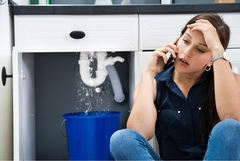
Winter Water Damage: What To Do If Disaster Strikes Your Home
Winter is meant for cozy nights, warm meals, and settling into the new year — but January also brings colder temperatures, increased water usage, and a higher risk of unexpected plumbing emergencies.
Imagine discovering a burst pipe overnight, or noticing water pooling under your kitchen floor after a busy day at home. Water damage is stressful at any time of year, but during the winter months, it can feel especially overwhelming.
Cold weather plays a major role in seasonal plumbing failures. According to the American Red Cross, water expands as it freezes, creating tremendous pressure inside pipes — often causing them to crack or burst without warning.
For homeowners and property managers, winter water emergencies are not only expensive, but emotionally overwhelming. That’s why preparation is so critical during the coldest months of the year.
Why Winter Is Peak Season for Frozen Pipes and Water Damage
January is one of the busiest seasons for water damage emergencies. Cold snaps can freeze pipes, winter travel may leave homes unattended, and heavier indoor water usage puts additional strain on plumbing systems and appliances..
Even small leaks can quickly escalate into major flooding and structural damage if they aren’t addressed immediately.
In fact, FEMA notes that just one inch of water in a typical home can cause up to $25,000 in damage — affecting flooring, drywall, furniture, and personal belongings.
During the winter, these risks are amplified simply because homes are busier than usual.
Common Winter Water Damage Scenarios
Some of the most frequent water emergencies during January include::
Frozen or burst pipes during sudden cold weather
Dishwasher or refrigerator supply line leaks from heavy kitchen use
Washing machine overflow from extra laundry and linens
Sewer backups or clogged drains from increased guests and cooking grease
Hidden leaks discovered too late after returning from travel
Winter water damage often happens quickly — and the sooner it’s handled, the easier it is to contain.
First Steps for Homeowners if Disaster Strikes
If water damage occurs in your home or building, taking the right steps immediately can reduce the severity of the loss.
Here’s what to do first:
Shut off the main water supply as soon as possible
Avoid electrical hazards near standing water
Move valuables and furniture away from the affected area
Document visible damage for insurance purposes
Call a certified restoration team right away
Safety is critical during any flooding event. FEMA guidelines stress that homeowners should only shut off electricity at the main breaker if it can be done safely without standing in water, and should never touch electrical equipment while wet.
When in doubt, prioritize safety and contact professionals immediately.
Need Help Right Now? Absolute DKI Is Available 24/7
If you’re experiencing water damage this winter, don’t wait.
Reach out to Absolute DKI for fast, reliable 24/7 emergency restoration.