Late Winter Pipe Protection: Preventing Frozen Pipes and Water Damage
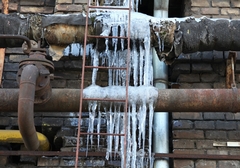
Late Winter Pipe Protection: Preventing Frozen Pipes and Water Damage
Winter brings more than just freezing temperatures — it also brings some of the highest risks for unexpected water damage. Imagine waking up to find water spreading across your floors after a pipe bursts overnight, leaving your home or building in immediate distress.
Cold-weather plumbing failures can happen suddenly, and the damage can escalate quickly. According to the American Red Cross, water expands as it freezes, creating tremendous pressure inside pipes — often causing them to crack or break without warning.
For homeowners and property managers, winter water emergencies are not only expensive, but emotionally overwhelming. That’s why preparation is so critical during the coldest months of the year.
Why Winter Is Peak Season for Frozen Pipes and Water Damage
Frozen pipes are one of the most common winter hazards because freezing temperatures create pressure inside plumbing systems. Even a small crack can release massive volumes of water in minutes, causing flooding, structural damage, and costly repairs.
The Red Cross explains that frozen pipes don’t just stop water flow — the pressure from expanding ice can cause even strong metal or plastic pipes to burst, releasing water rapidly into a home or building.
Winter damage often spreads fast, and if not handled quickly, it can lead to long-term issues like mold growth and hidden moisture inside walls and flooring.
Pipes Most at Risk During Cold Weather
Some plumbing areas are much more vulnerable to freezing than others, especially in older properties or poorly insulated buildings.
The American Red Cross lists the following pipes as most likely to freeze in unheated or exposed spaces:
Outdoor hose bibs and exterior supply lines
Basements and crawl spaces
Attics, garages, and other unheated interior areas
Pipes that run along exterior walls with little insulation
Multifamily buildings and aging infrastructure may face even greater exposure during freeze-thaw cycles, making proactive prevention especially important.
Prevention Steps to Protect Your Home or Building
The best way to avoid winter water damage is to take simple protective steps during the coldest months of the year.
Here are a few practical ways to reduce the risk of frozen pipes, based on winter preparedness guidance from the American Red Cross:
Drain outdoor water lines, including sprinkler or pool supply systems
Remove and store outdoor hoses, and allow exterior faucets to fully drain
Insulate pipes in cold areas like basements, attics, crawl spaces, and garages
Check under kitchen and bathroom cabinets for exposed plumbing
Use pipe covers or heat tape on vulnerable sections
If possible, move exposed pipes away from drafty areas or exterior walls
Everyday Winter Habits That Make a Difference
During extreme cold, small adjustments can prevent major damage:
Keep garage doors closed if plumbing runs through the garage
Open cabinet doors under sinks to let warm air circulate
Let faucets drip slightly during freezing nights to keep water moving
Keep indoor temperatures steady day and night
If traveling, leave your heat on and set it no lower than 55°F
These habits can help homeowners avoid one of winter’s most disruptive emergencies.
Stay Ahead of Winter Water Damage
Frozen pipes can happen fast — but with the right precautions, they’re often preventable. If you have questions about protecting your property this season, Absolute DKI is here to help.