From Snow to Spring: Common Post-Winter Problems in Southeast Wisconsin
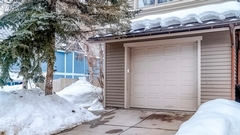
Winter in Southeast Wisconsin leaves us proud survivors. As the snow finally melts and the chill fades, your home starts its own seasonal transition.
Spring promises green grass and fresh air, but it can also reveal the hidden damage left by months of ice, salt, and cold. At Absolut DKI, we’ve spent over 25 years helping our neighbors in Mt. Pleasant, Racine, and nearby areas manage these seasonal changes.
Here are the most common post-winter problems to watch for as the ground thaws.
1. The "Ghost" of Ice Dams
You likely saw the icicles hanging from your gutters in January, but the real trouble starts when they disappear. Ice dams occur when heat escaping from your attic melts snow on the roof, which then refreezes at the cold eaves.
The Problem: This "dam" forces meltwater up under your shingles.
What to Look For: Water stains in the corners of your ceilings, peeling paint around window frames, or a musty smell in the attic. Even if you don't see a puddle, your insulation could be damp, leading to mold growth and structural rot.
2. Hydrostatic Pressure & Basement Seepage
As the snow melts, the ground becomes saturated. In Wisconsin, the soil often stays frozen deep down even after the surface thaws, creating a "bathtub effect" around your foundation.
The Problem: This buildup of water pushes water through small cracks in your foundation or where the floor meets the wall.
What to Look For: White powder on concrete walls, wet spots on the floor, or a sudden rise in basement humidity.
3. Sump Pump Burnout
Your sump pump has likely been dormant for months. Suddenly, it’s asked to run a marathon as the spring rains join the melting snow.
The Problem: Mechanical failure or a clogged discharge line can lead to a flooded basement in a matter of hours.
Check your pump before a storm. Pour a bucket of water into the pit to make sure the float switch activates, and the water is directed away from your home.
4. Frozen Pipe Fallout
Sometimes a pipe freezes in the winter but doesn't fully "burst" until the ice thaws and water pressure returns to normal.
The Problem: Small cracks in outdoor spigots or pipes in unheated areas can cause slow, hidden leaks that go unnoticed until the water bill rises—or until mold starts to grow behind a wall.
What to Look For: Check your outdoor faucets the first time you turn them on this spring. If the flow is weak, there may be a break inside the wall.
5. Mold Growth in the "Transition Zone."
Spring offers just the right conditions for mold—temperatures are moderate, and moisture is plentiful.
The Problem: Winter condensation in attics or moisture trapped behind basement drywall provides the perfect breeding ground.
What to Look For: Dark spots on surfaces or that unmistakable "old basement" smell. Mold can begin to grow within 24 to 48 hours of water exposure.
Don't Let a Small Leak Become a Big Restoration
In Southeast Wisconsin, we know that spring isn't just a season; it's a deadline. Addressing these issues now prevents costly structural repairs and health risks later in the year.
If you’ve discovered water damage, mold, or foundation seepage as the snow disappears, Absolut DKI is here to help. We provide 24/7 emergency restoration services, working directly with your insurance provider to restore your home to its original condition. See a damp spot or suspect damage? Call us now at (866) 328-8383 or reach out online to book your inspection—protect your home before problems grow.