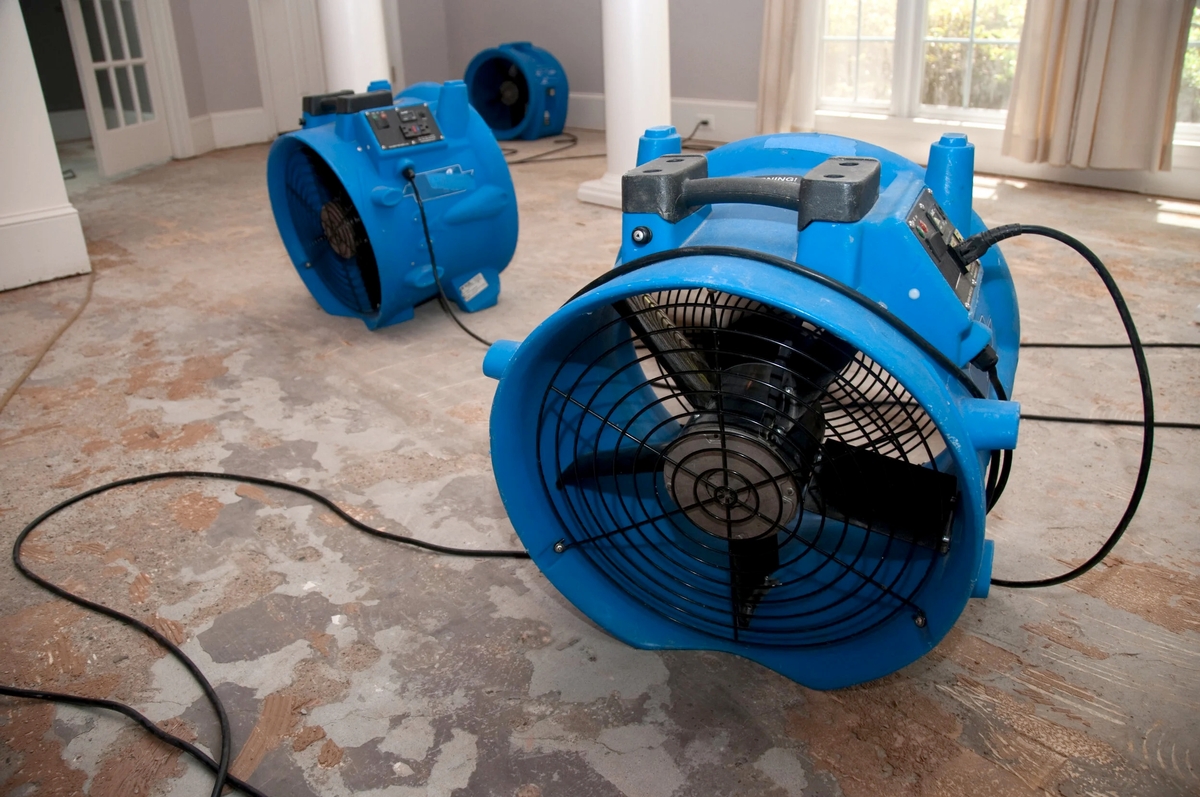
Spring Thaw & Heavy Rains: How to Protect Your Southeast Wisconsin Home Before the Water Hits
Spring in Southeast Wisconsin is both welcome and risky. As ice melts from Lake Michigan and the Fox River, rapid snowmelt and heavy spring storms often create ideal conditions for flooding.At Absolut DKI, we see firsthand how destructive spring flooding is to homeowners in Racine, Kenosha, and Milwaukee. The good news? Most water damage is preventable with simple maintenance.Here is your checklist to fortify your home before the rain begins.
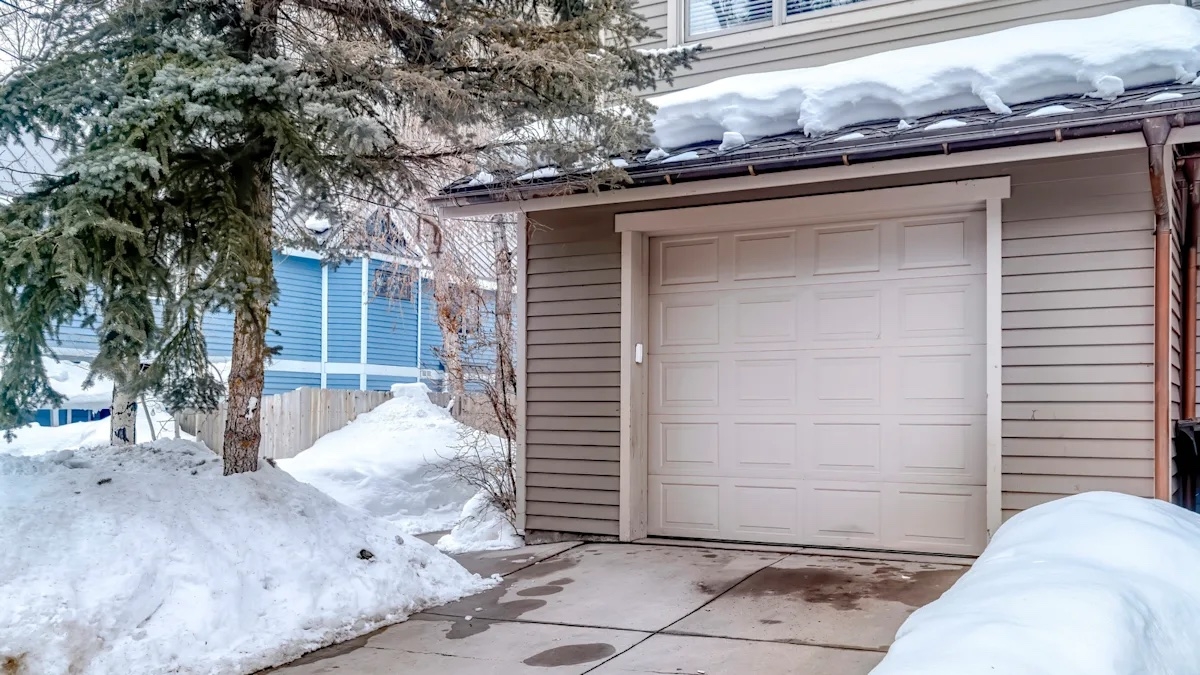
From Snow to Spring: Common Post-Winter Problems in Southeast Wisconsin
Winter in Southeast Wisconsin leaves us proud survivors. As the snow finally melts and the chill fades, your home starts its own seasonal transition.Spring promises green grass and fresh air, but it can also reveal the hidden damage left by months of ice, salt, and cold. At Absolut DKI, we’ve spent over 25 years helping our neighbors in Mt. Pleasant, Racine, and nearby areas manage these seasonal changes.Here are the most common post-winter problems to watch for as the ground thaws.

The "Basement Survival Guide" for Lake Michigan Residents
If you live anywhere between Milwaukee and Waukegan, you know that "smell." It’s a mix of damp concrete, old cardboard, and a hint of Lake Michigan mystery. Locals jokingly call it the scent of a "Milwaukee Summer," but if you’re a homeowner in Kenosha or Racine, that smell isn't just a seasonal quirk—it’s a warning sign.Living along the Great Lakes corridor means we face a unique set of geological and atmospheric challenges. Here is your survival guide to keeping your basement dry when the lake (and the water table) has other plans.
The Great Thaw: Is Your Sump Pump Ready for the Melting Snow?
For those of us living and working between Southeastern Wisconsin and Northern Illinois, March is a month of transition. We finally see the grass again, but that beauty comes with a hidden risk. As the heavy snowpacks from January and February begin to vanish, thousands of gallons of water are looking for a place to go. If your home or business isn’t prepared, that "place" might just be your basement.
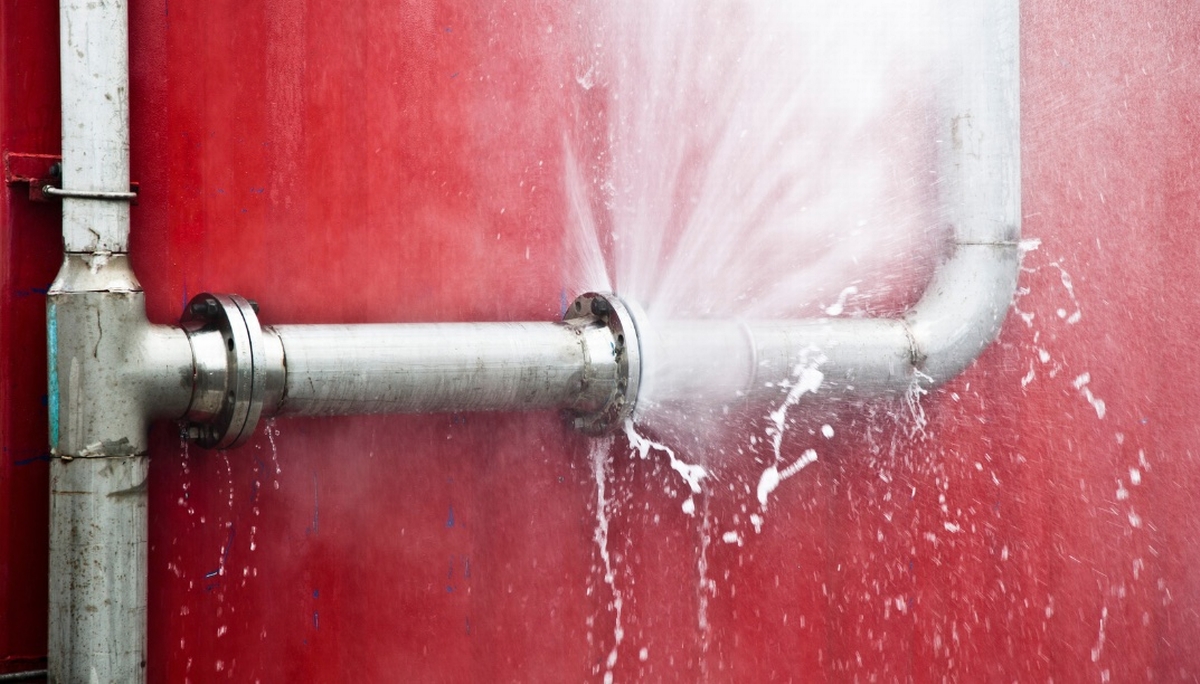
What To Do If a Pipe Bursts: Winter Emergency Response and Restoration
Even with the best preparation, winter plumbing emergencies can still happen. When a pipe bursts, quick action is essential. Taking the right steps immediately can reduce damage, protect your safety, and help you recover faster. If you experience a burst pipe or sudden leak, act quickly: Shut off the main water supply right away, Avoid electrical hazards near standing water, Move valuables and furniture out of affected areas, Document damage for insurance purposes if possible, Contact a certified restoration team as soon as possible. FEMA emphasizes that just one inch of water can cause up to $25,000 in damage, which is why winter water emergencies must be addressed immediately.